Some places seem to know where they are going, even when history puts them to the test. Rovereto is one of them. And the former Manifattura Tabacchi, in Borgo Sacco, is one of the clearest examples.
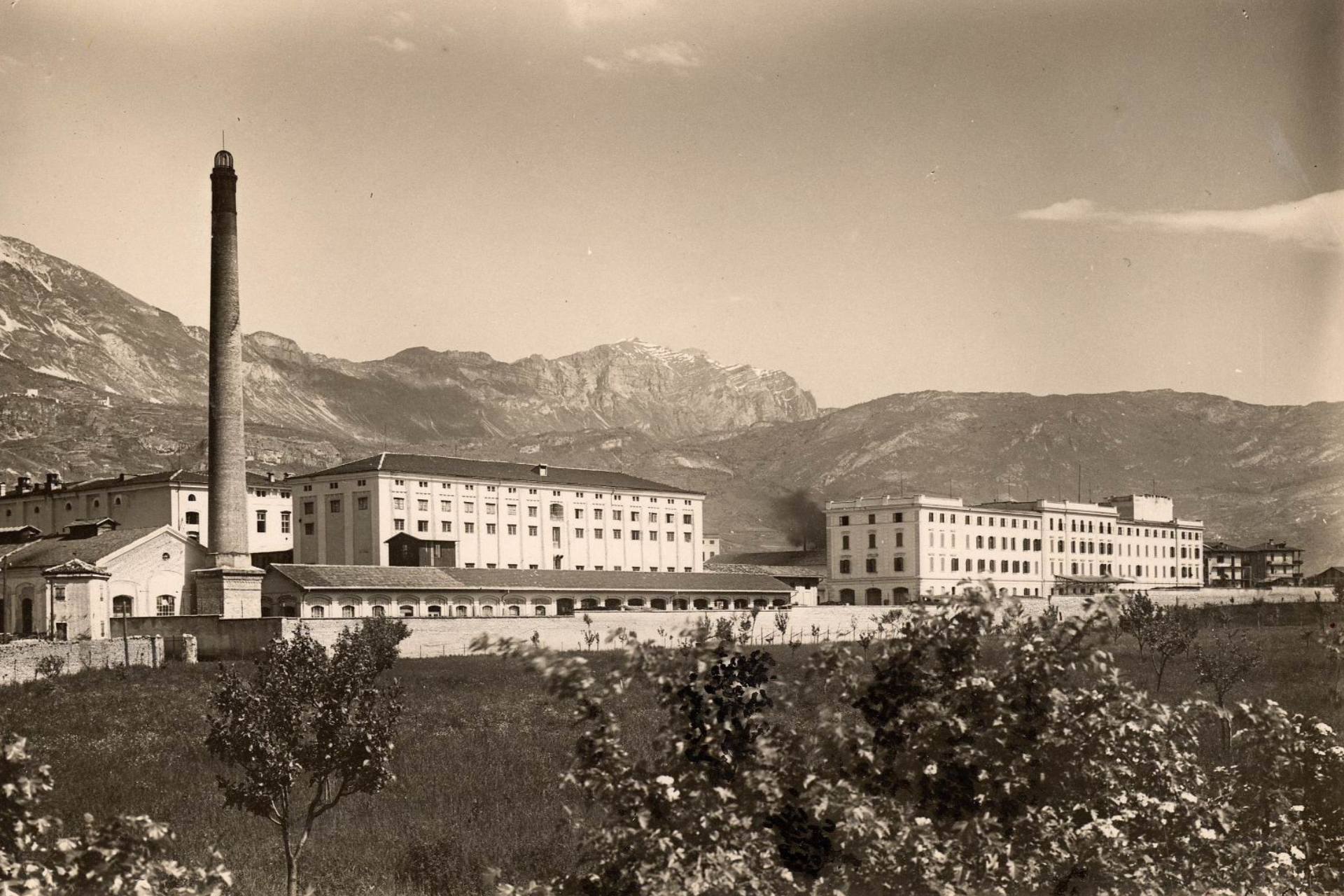
The factory began operating in 1854–1855, when Trentino was part of the Austrian Empire. Tobacco processing soon became a major source of employment, particularly for women. Thousands of workers passed through the factory over the following decades, including the women locally known as the zigherane, the cigar makers whose work became closely intertwined with Rovereto’s social and economic history.
A factory that shaped the city
The impact of the Manifattura Tabacchi went far beyond production.
For generations, it was a social and economic reference point for Rovereto and the wider Vallagarina area. Its working rhythms became part of daily life, while the large number of women employed there contributed to changes in women’s economic independence and social role.
Some important forms of worker organisation and welfare also developed within the factory community, including mutual support initiatives and, later, Trentino’s first company nursery.
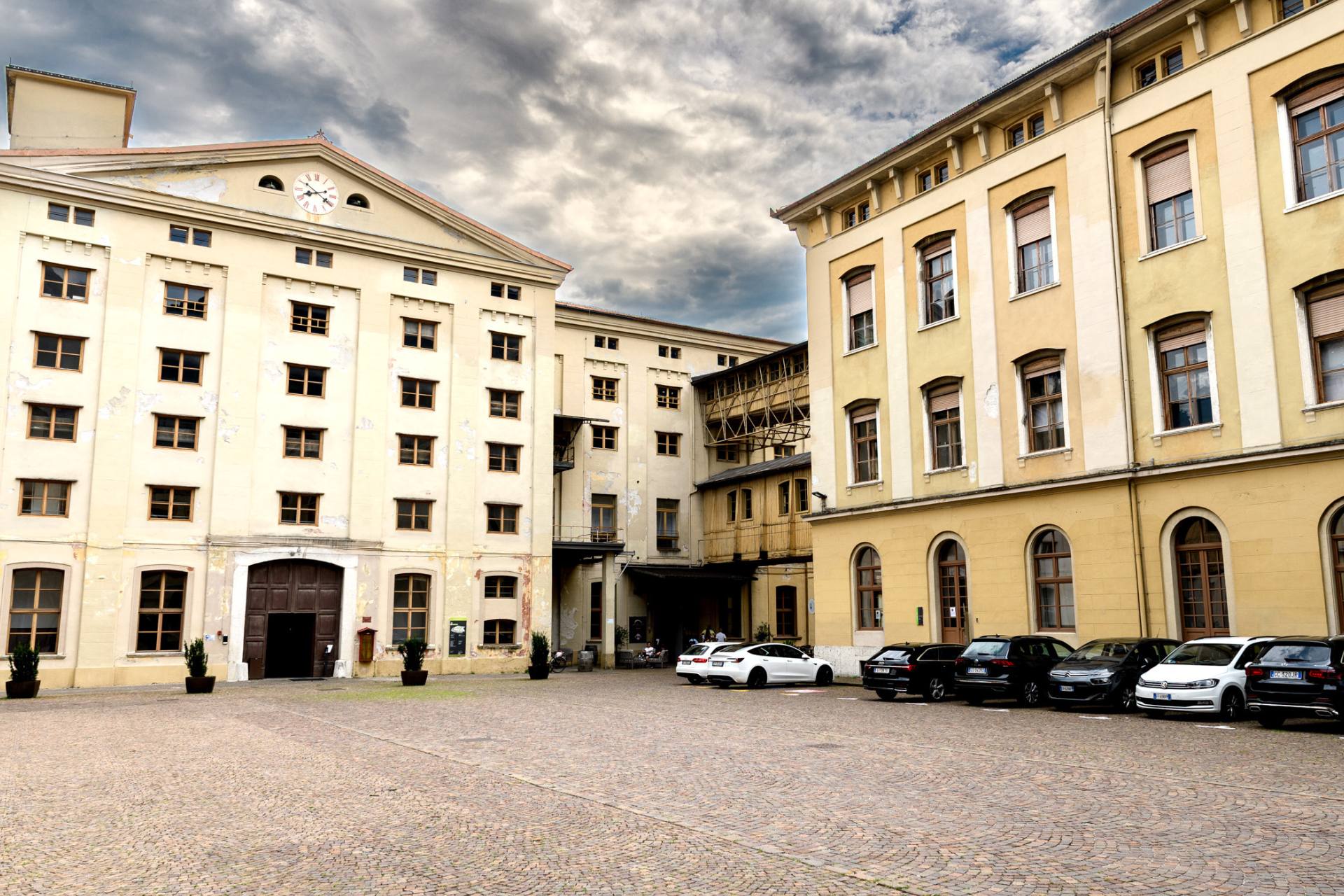
The factory shaped Rovereto physically as well. Its workshops, courtyards and warehouses occupied a large part of Borgo Sacco and became part of the city’s industrial identity.
From production to innovation: an urban regeneration story
Production at the Manifattura Tabacchi ended on 31 March 2008, after years of declining employment and changes in the tobacco industry.
But the story of the site did not end there.
The Autonomous Province of Trento, through Trentino Sviluppo, acquired the area with the aim of giving it a new role. From 2009 onwards, the former factory became the focus of a major regeneration project designed to create spaces for companies, research, innovation and entrepreneurship.
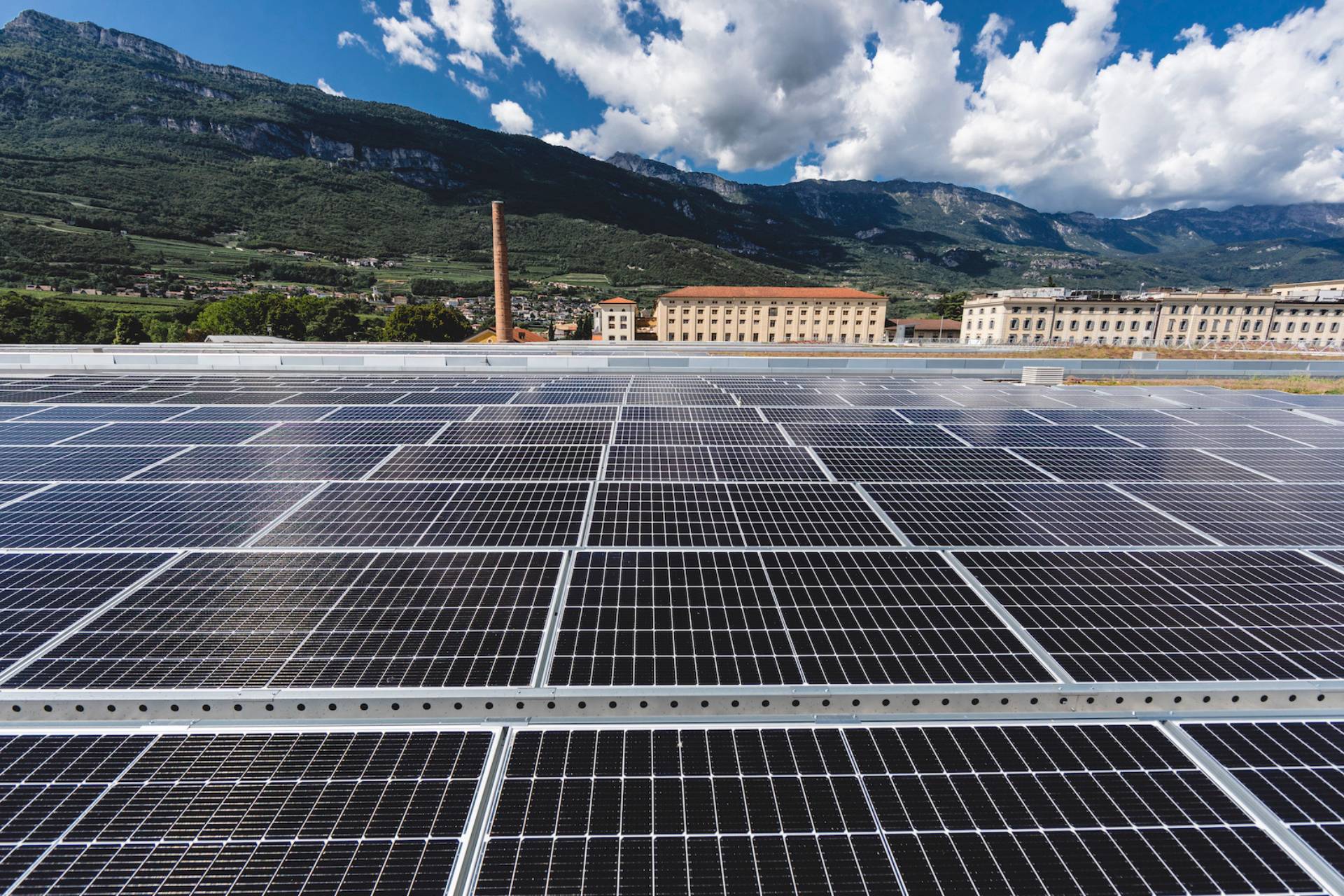
Today, the historic Manifattura Tabacchi is home to Progetto Manifattura, Trentino Sviluppo’s technology hub dedicated to the green economy.
Where tobacco was once processed, companies and research organisations now work on areas including clean energy, circular economy, sustainable mobility, smart building, biotechnology and sport technologies. Historic buildings have been restored and combined with newer spaces such as Be Factory, creating a site where industrial heritage and new economic activity coexist.
 .
.If you are looking for a place to develop a project, build a career or work alongside people developing new technologies, Rovereto offers something unusual: a long industrial history that is still producing new chapters.