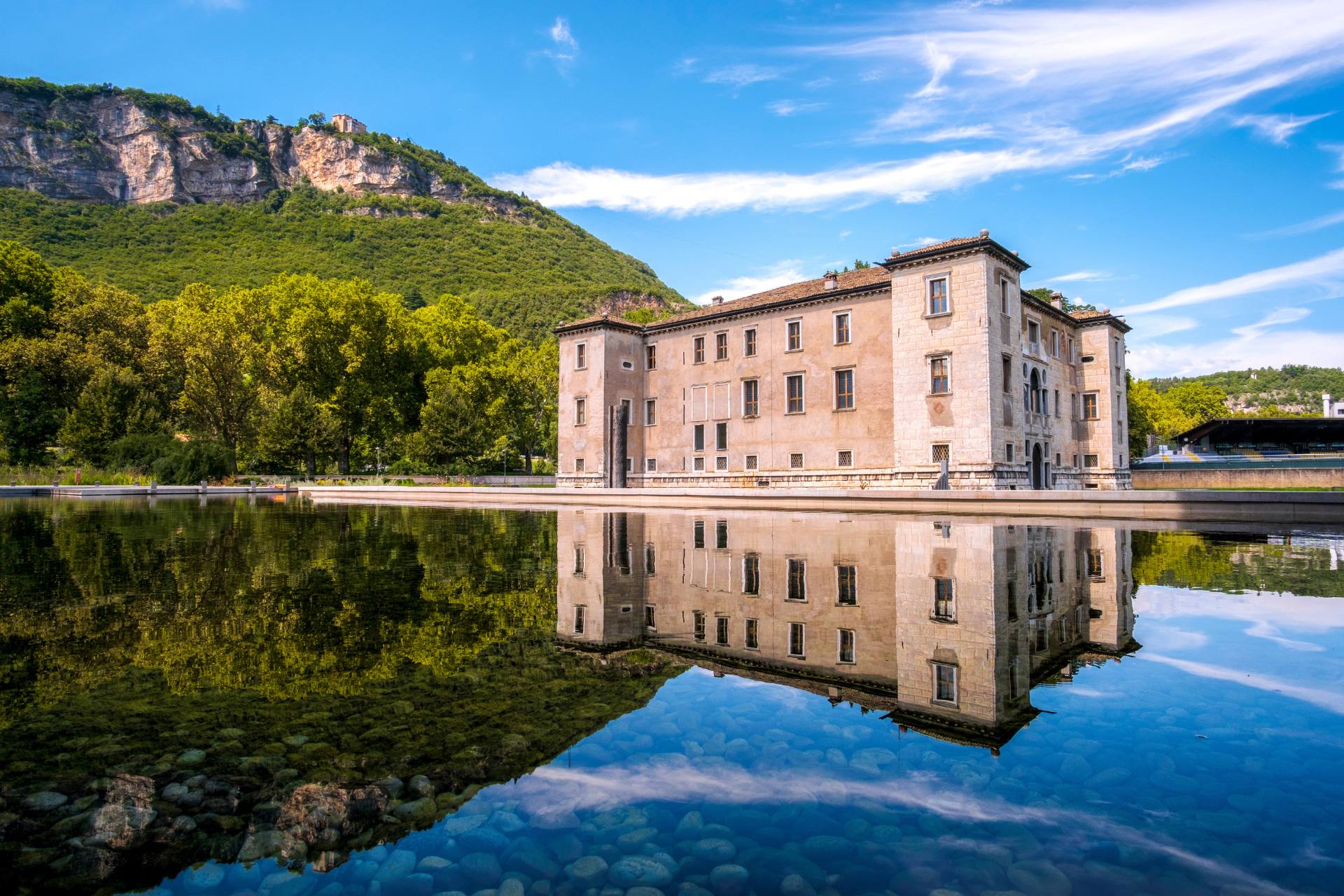
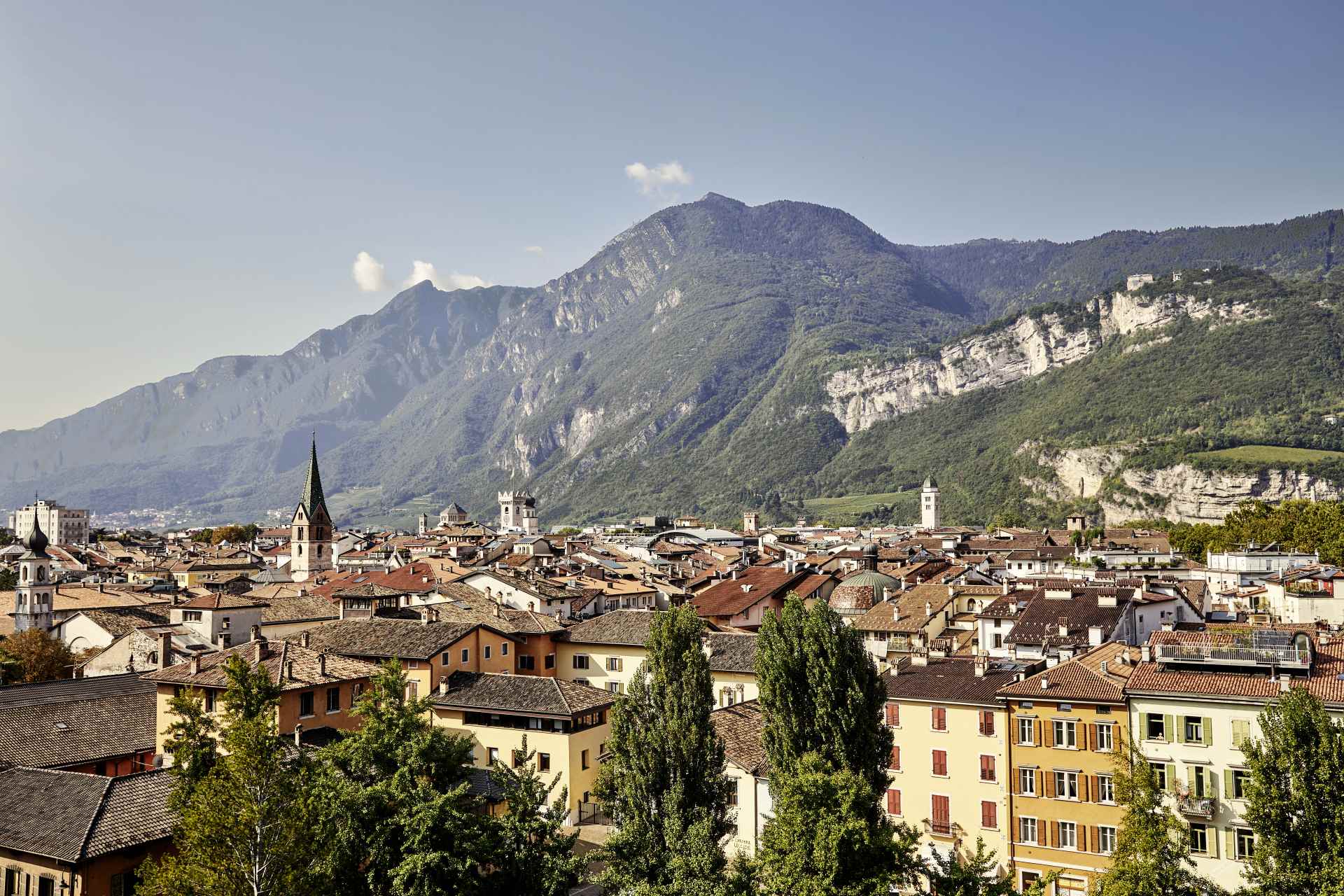
One of the things most often associated with Trentino is quality of life. It can sound like a fairly abstract idea, but in practice it comes down to very tangible things: reliable services, opportunities for work and education, the environment, safety, culture, sport, mobility and time you can use outside work.
Rankings help measure some of these factors. There is another perspective we find just as interesting, though: that of people who moved here from somewhere else and eventually decided to stay, turning a professional opportunity into something more permanent.
Trento consistently ranks highly for quality of life
Quality-of-life rankings use different indicators, so they do not always produce the same result. What is interesting is how consistently Trento appears near the top.
The rankings change because they measure different things, while Trento’s recurring presence among the leading positions points to something more structural. Residents’ own perceptions tell a similar story: according to the latest Istat data reported by Il Sole 24 Ore, the autonomous provinces of Trento and Bolzano have the highest share in Italy of people reporting strong satisfaction with their lives, at 61.9%.
Rankings cannot explain on their own why a place feels good to live in, but they show that this is not simply a matter of perception.
A compact city where a lot happens
Trento is not a large metropolitan city, and its relatively compact scale is part of what makes everyday life here different. The city brings together a university, research organisations, services, cultural activities and professional opportunities within a relatively small area, while the wider province remains easy to reach.
Technology is used with the same practical approach. The Trento Smart City programme is not about becoming digital for its own sake, but about using networks, data, sensors and digital tools to improve services and everyday life. Residents can, for example, check parking and bicycle storage availability in real time through the Parcheggia a Trento service, while municipal digital tools provide information on mobility, public spaces and events.
The city’s innovation ecosystem extends well beyond municipal services. Trento is home to the University of Trento, Fondazione Bruno Kessler, the Trento Proton Therapy Centre, and a network of laboratories, research centres and companies working in areas including artificial intelligence, health and digital technologies.
For a city of this size, that is a significant concentration. You can live somewhere relatively small without being disconnected from international research and innovation networks.
And when work ends, there is the rest of the day
Trento is not only about technology and research. The Trento Film Festival and the Festival of Economics are two of its best-known events, within a much wider cultural calendar. Then there is something that is difficult to separate from everyday life here: proximity to nature. Mountains, trails, cycle paths, lakes and green spaces are not necessarily something you need to save for a holiday. They are part of the environment around you.
Sport tells a similar story. Trento ranked first in Italy in Il Sole 24 Ore’s Sports Index in 2025 and, across twenty editions of the ranking, has taken first place eight times. The real value of those numbers is not the collection of records. It is what they suggest about how many possibilities remain once the working day is over.
Why people who moved to Trento decided to stay
Statistics are useful, but if you want to understand what relocating actually feels like, it is equally useful to hear from people who have already done it.
People arriving from elsewhere often notice things that those who grew up here may take for granted: the scale of the city, access to services, the possibility of living close to nature without giving up professional opportunities, and the presence of research organisations and innovative companies.
These are exactly the themes that emerge from the experiences collected by Trentino for Talent.
“At first, working in Trento was meant to be a temporary solution. Then it became a life choice. Here, I found the ideal environment to start a family, despite being far from family support.”
“I wanted to gain experience in industry, and the opportunity in Trentino was the most interesting one for me because it was part of a research and development environment. The location also mattered: I love the mountains, but I was surprised by how much is on offer here, not only in terms of sport.”
“When I arrived here, I thought this was a remote area. Instead, it creates many opportunities for exchange and networking, including at international level. One advantage Trentino offers is the strong focus on tools and support for people who, like me, want to build a family.”
Francesco, Annagiulia and Marta followed three different paths: a journalist, a young nuclear engineer and a biomedical engineer. Their experiences have one thing in common: professional opportunities mattered when they chose Trentino, but work alone does not explain why they decided to stay.
Quality of life is more than a ranking
Coming first in a ranking makes headlines, while living well depends on a much broader combination of factors: services, opportunities, a well-maintained environment, relationships, room to grow professionally and space for everything that comes after work.
That is why, when we talk about Trento, we try to bring rankings and real life together. Choosing where to work also means choosing where to live, and it is the combination of the two that determines whether somewhere can eventually feel like home.